
in annual affordability measures in tax savings provided this year through enhancements and indexation under the Saskatchewan Affordability Act the Active Families Benefit The most affordable province to live in for a family of four in Canada number of students that have benefited from the Graduate Retention Program people will no longer be paying provincial income tax upon full implementation of the four-year income tax reduction plan
$2.5 billion

$200 million

Doubling

1st

90,000

54,000
Ensuring Saskatchewan remains the most affordable place in Canada to live, work, raise a family and start a business.
The 2026-27 Budget protects Saskatchewan families by lowering taxes and providing targeted supports that help people keep more of their hard-earned money. Through more than $2.5 billion in annual affordability measures, the budget ensures Saskatchewan remains one of the most affordable places in Canada to live, work, raise a family and start a business. The budget builds on commitments made in The Saskatchewan Affordability Act, continuing the government’s four-year plan to reduce personal income taxes while supporting students, seniors, homeowners and low-income residents.
The 2026-27 Budget ensures Saskatchewan remains the most affordable place in Canada to live, work, raise a family and start a business. Building on the commitments introduced in The Saskatchewan Affordability Act in December 2024, the budget continues implementing the government’s four-year plan to reduce personal income taxes, delivering the second year of tax reductions for Saskatchewan residents.
Key tax exemptions will increase again this year by $500, including:
-
The basic personal exemption;
-
The spousal and equivalent-to-spouse exemptions;
-
The dependent child exemption; and,
-
The seniors’ supplement
In addition, the Saskatchewan Low-Income Tax Credit will increase by another five per cent.
Combined with indexation, these measures provide approximately $200 million in tax savings in 2026-27.
For example, a family of four earning $100,000 will pay no provincial income tax on their first $65,000 of income — the highest threshold in Canada.
The 2026-27 Budget protects Saskatchewan residents with a wide range of measures that help lower everyday costs and strengthen financial stability for families.
Families
-
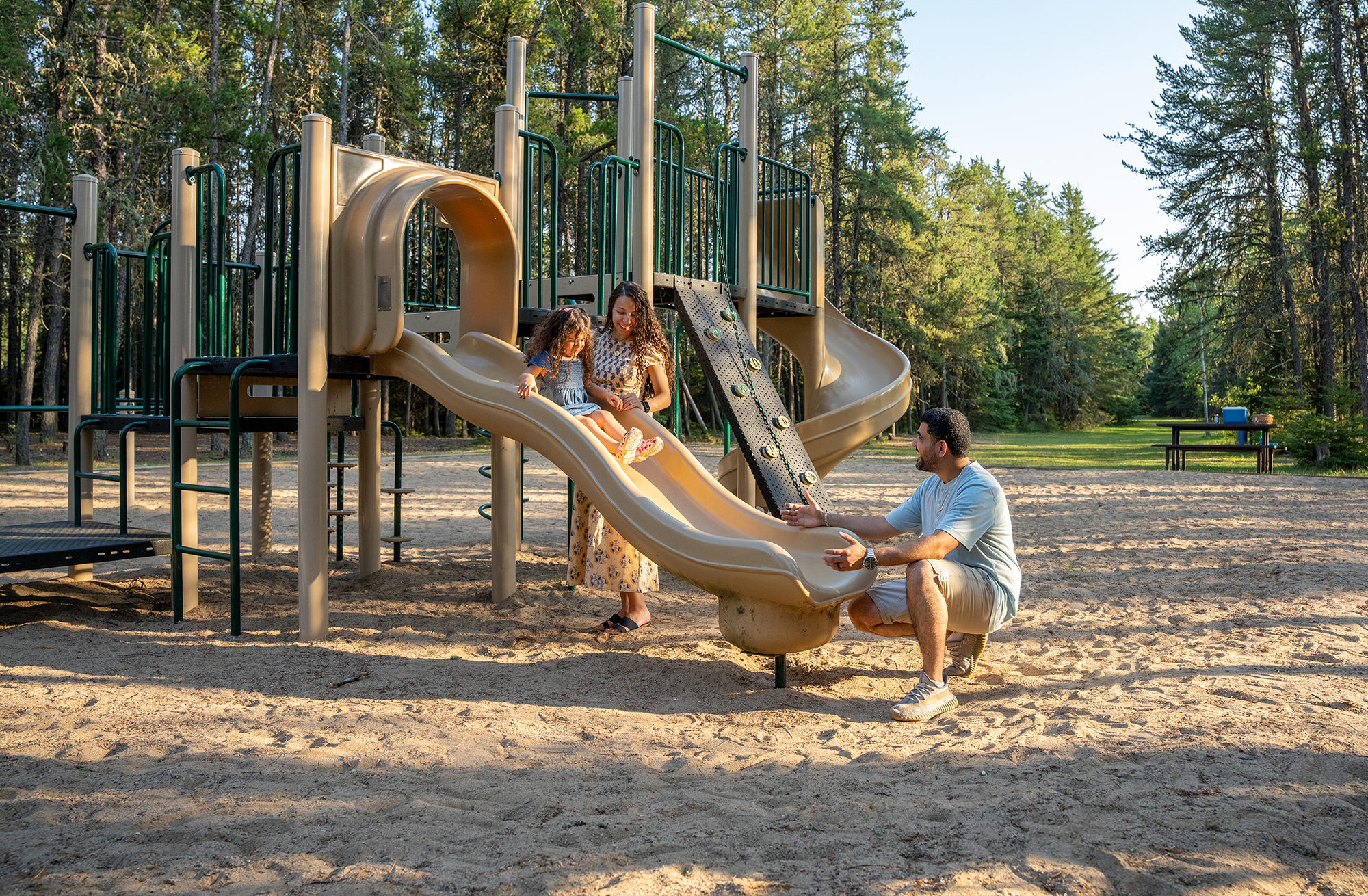
The Active Families Benefit will make it more affordable for families to access children’s sports, arts, cultural and recreational activities.
-
Enhancements to the basic tax credits for the basic personal , spousal, equivalent-to-spouse, seniors supplement and dependent child tax credits.
-
The Children’s Drug Plan ensures Saskatchewan families do not pay more than $25 per prescription for children aged 14 years and under.
-
Continuous and flash glucose monitors are fully covered for eligible children and adults up to 24 years old and seniors aged 65 and over.
-
The Fertility Treatment Tax Credit provides a one-time refundable tax credit of up to $10,000 for fertility treatment and related drug costs for families pursuing parenthood.
-
Autism Spectrum Disorder Individualized funding provides parents or guardians with funding to purchase services that best suit their child’s needs.
-
Saskatchewan Aids to Independent Living helps individuals with physical disabilities live a more active and independent lifestyle and supports the management of certain chronic health conditions.
Individuals with disabilities
- The Disability Tax Credit and disability supplement are designed to help individuals with severe or prolonged physical or mental impairments or their supporting family members by reducing the income tax they pay.
Caregivers
- The Caregiver Tax Credit provides financial support for families who care for adult children or parents with physical or mental impairments.
The Government of Saskatchewan understands the costs of owning or renting a home can be challenging. This is why the 2026-27 Budget offers affordability measures for homeowners and renters.
Homeowners
-
Maintaining the 2025 reductions to all Education Property Tax mill rates across all property classes.
-
Reinstating the Home Renovation Tax Credit so Saskatchewan residents can make improvements to their homes. This provides homeowners with the ability to save up to $420 annually in provincial income tax for eligible home renovation expenses, while seniors undertaking home renovations can save up to $525.
-
The Saskatchewan First-Time Homebuyers’ Tax Credit provides a non-refundable income tax credit of up to $1,575 to eligible taxpayers on qualified homes, making homeownership more attainable for first-time home buyers.
-
The Saskatchewan Secondary Suite Initiative grant program allows homeowners to construct a new secondary suite to generate supplementary income. The program provides a 35 per cent grant of the total price to construct a new secondary suite to a maximum amount of $35,000.
-
The PST Rebate on New Home Constructionprovides a rebate up to 42 per cent of the provincial sales tax paid on the purchase of a newly constructed home with a total purchase price of less than $550,000.
-
Monthly Saskatchewan Housing Benefit rates are increasing to help eligible Saskatchewan renters better afford their rent and utility costs, and the program will expand to over 300 new clients. Core monthly benefits will increase by 20 per cent, renters who receive services to help them maintain stable housing will receive a 40 per cent increase in monthly benefits through the Supportive Housing stream, and monthly support for individuals fleeing interpersonal violence will double through the Seeking Safety stream.
The 2026-27 Budget includes targeted supports for individuals and families with lower incomes to help ensure they remain financially secure.
Key supports include:
-
Since July 1, 2025, the Saskatchewan Low-Income Tax Credit will increase by five per cent annually for the next four years, in addition to indexation. It is a fully refundable, non-taxable benefit paid quarterly to help Saskatchewan households with low and modest incomes. These enhancements will benefit more than 300,000 households in our province.
-
Core income assistance benefits for Saskatchewan Income Support (SIS) and Saskatchewan Assured Income for Disability (SAID) clients will increase by two per cent.
-
Monthly Saskatchewan Housing Benefit rates are increasing to help eligible Saskatchewan renters better afford their rent and utility costs, and the program will expand to over 300 new clients. Core monthly benefits will increase by 20 per cent, renters who receive services to help them maintain stable housing will receive a 40 per cent increase in monthly benefits through the Supportive Housing stream, and monthly support for individuals fleeing interpersonal violence will double through the Seeking Safety stream.
These measures help vulnerable residents manage rising costs and ensure those who need support most are protected.
The 2026-27 Budget invests in initiatives to encourage students and young adults to attend post-secondary schools in Saskatchewan and work in the province once their post-secondary education is complete.
-
The Graduate Retention Program provides an increased maximum benefit up to $24,000 of tuition fees paid by eligible post-secondary graduates who continue to live and work in Saskatchewan and graduate on or after October 1, 2024. This program has benefited more than 90,000 graduates, saving them over $925 million.
-
The Saskatchewan Advantage Scholarship provides $750 per year, to a maximum of $3,000, to eligible Grade 12 students in Saskatchewan who attend a post-secondary institution in the province. In 2025-26, the Saskatchewan Advantage Scholarship benefited over 12,000 graduates.
The 2026-27 Budget protects seniors by continuing to lower taxes and increase financial supports.
-
The senior supplementary amount will be increased by $500 annually for the next four years, starting in 2025, in addition to the annual indexation rates.
-
The Seniors Income Plan offers up to $360 a month for eligible seniors. The benefit has quadrupled since 2007, providing assistance to more than 14,000 seniors annually.
-
An $8 million increase will support over 500 more seniors who are already accessing the Personal Care Home Benefit since the monthly income threshold rose 40 per cent in 2025-26, from $2,500 to $3,500 a month. This increase helps to make the cost of living in a licensed personal care home more affordable.
-
The Saskatchewan Home Care Program covers 97 per cent of home care costs, including 100 per cent of nursing services that help residents receive care while maintaining their independence at home.
-
The Senior’s Drug Plan ensures that eligible Saskatchewan residents aged 65 and over pay no more than $25 per prescription for medications listed on the Saskatchewan Formulary or approved under Exception Drug Status.
-
The Senior Citizens’ Ambulance Assistance Program – for Saskatchewan residents aged 65 and over – caps ground ambulance fees at $135 per eligible trip and covers interfacility transfers within the province.
-
Reinstating the Home Renovation Tax Credit so Saskatchewan residents can make improvements to their homes. This provides seniors who are homeowners with the ability to save up to $525 annually in provincial income tax for eligible home renovation expenses.